
3D architectural rendering as a language that translates design to investors and clients
A well-prepared architectural design can be precise, logical, and thoroughly documented, yet still difficult to understand for someone who does not work with plans, sections, and technical drawings on a daily basis. This is exactly where renderartstudio.com demonstrates its value, creating professional 3D architectural visualizations and helping translate complex concepts into images that are clear for investors, clients, and project partners. What sets Render Art Studio apart comes from the combination of two strengths: visual sensitivity and a real understanding of architecture. The 3D RNDR experts have architectural training and often professional experience in the field, so they do not treat a project as just a random scene to “render nicely.” They understand proportions, light, materials, function, context, and how a user will experience the space once it is built.
3D visualization organizes the conversation about architecture
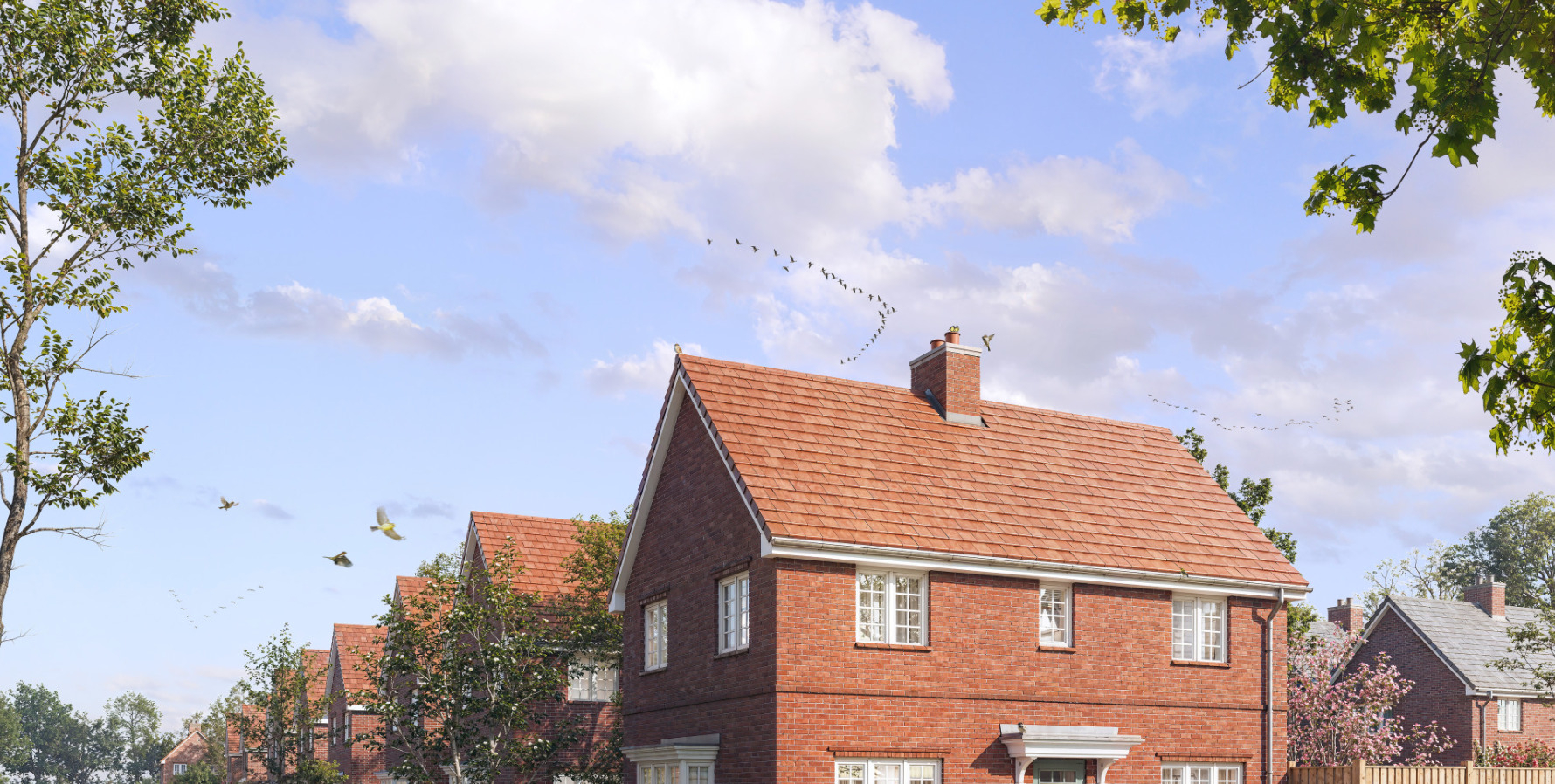
3D architectural rendering works as an intermediate language between the architect and the audience. A designer sees in the documentation the functional layout, the relationship between the building and its surroundings, the rhythm of the façade, and the logic of space. A client usually sees lines, symbols, and technical markings that require experience to interpret. A photorealistic visualization helps bridge this gap. Professional rendering is a valuable communication tool that helps explain the architect’s intent. A single well-composed frame can show the scale of the building, its external character, the entrance, material details, the relationship with greenery, or how the space will be used. This makes conversations with investors calmer and more focused, because the viewer no longer has to guess how technical drawings will translate into reality.
Why does the choice of studio matter?
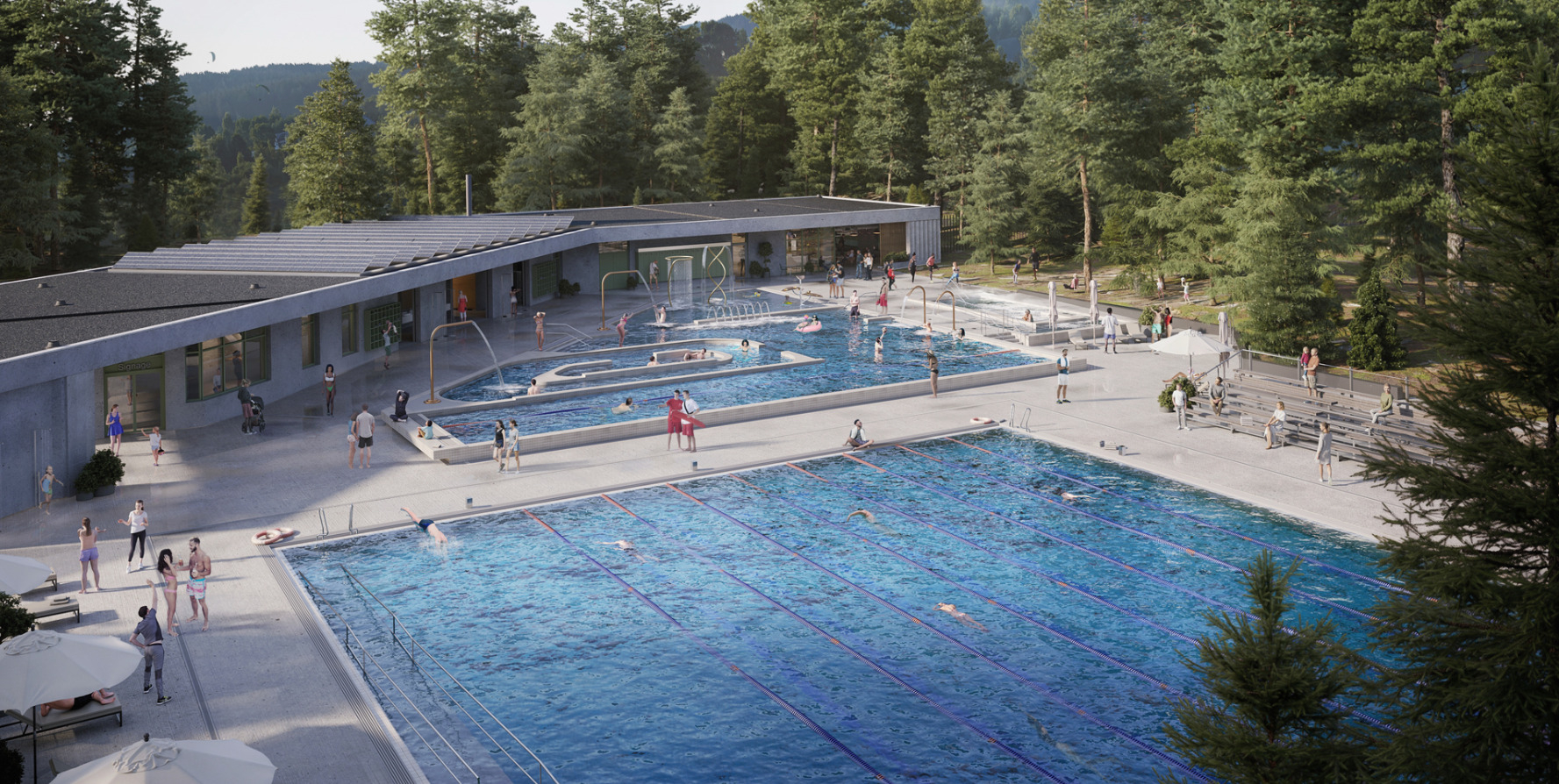
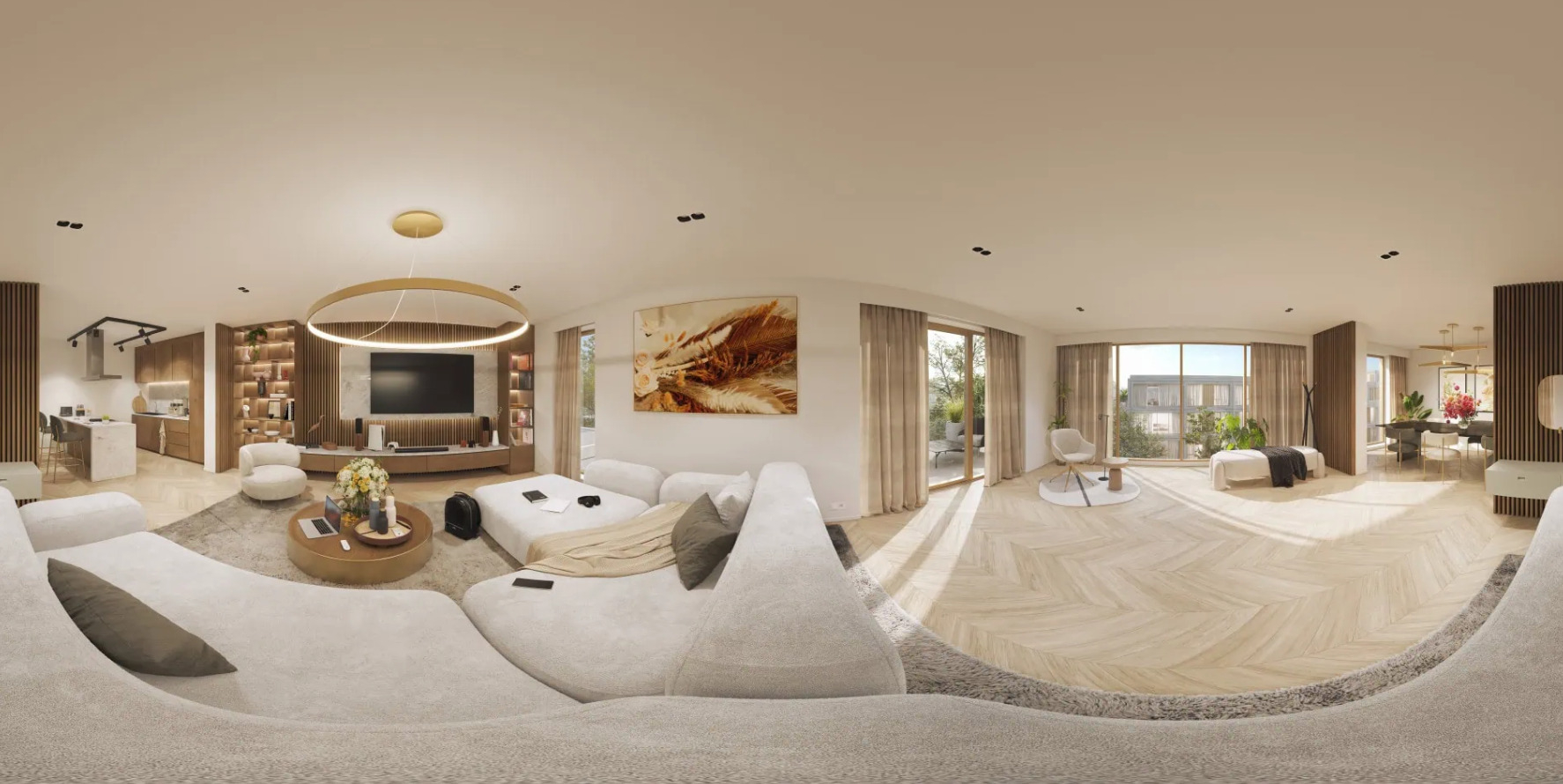
Render Art Studio works with various visualization formats: exterior shots, interiors, aerial views, 3D plans, sections, and 360° panoramas. Each image serves a specific purpose. A human-level perspective allows the viewer to feel the space up close and appreciate its potential and design qualities. An aerial perspective shows the scale of the development and its relationship with the surroundings. Interior visualization tells potential residents or investors about everyday use, materials, and the atmosphere of the space. The studio’s advantage lies not only in image quality. What matters is how the experts manage the project: briefing, goal analysis, shot selection, working with source materials, draft visuals, revisions, and final images refined for the audience. This is a workflow focused on quality, not mechanical image production.
If you want to present a project in a way that is clear, aesthetic, and convincing for people outside the industry, explore the Render Art Studio offer. Professional 3D visualization can help tell the story of architecture through images — lifestyle-focused, precisely, and with a strength that documentation alone often lacks.